

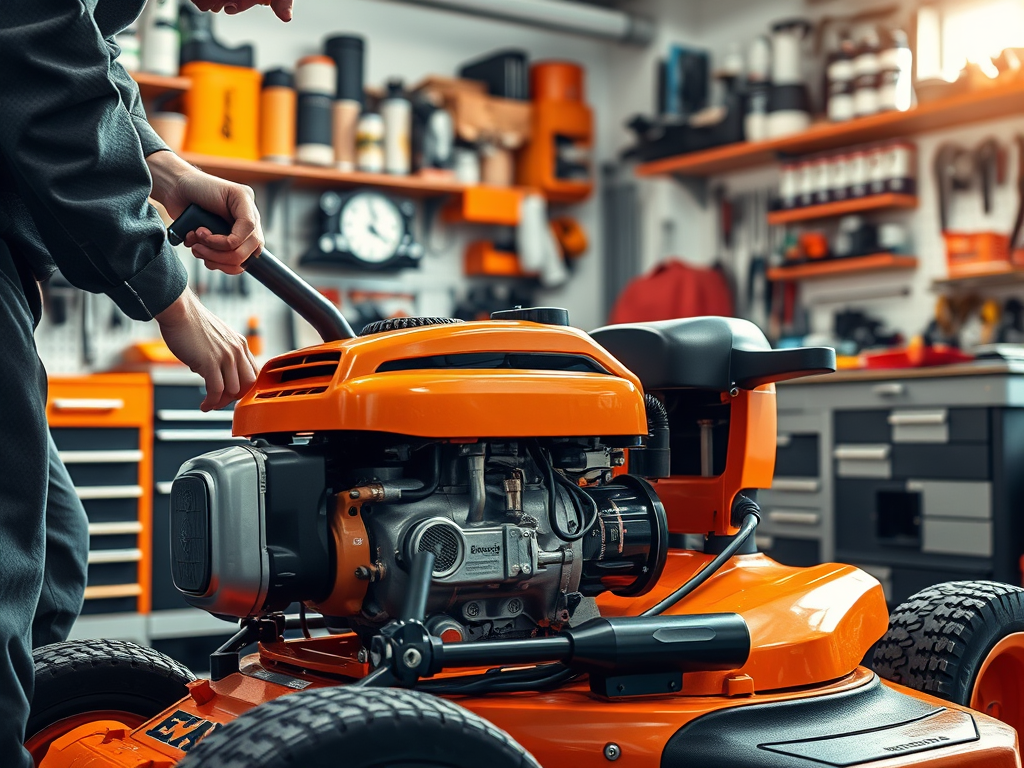
In a good workshop, the best jobs are the ones that don’t involve breakdowns. When equipment comes in on schedule, clean enough to inspect, and still running well, that’s smart maintenance in action. It’s quieter, faster, cheaper — and it keeps machines doing what they’re meant to do: working, not waiting. Out here, gardening equipment and heavy machinery take a beating. Heat, dust, vibration, and long operating hours are all part of the job. Smart maintenance accepts that reality and works with it, not against it. Regular servicing keeps engines tuned, blades sharp, filters clear, and moving parts properly lubricated. The result is smoother operation, better fuel efficiency, and consistent performance day after day.
Out here, gardening equipment and heavy machinery take a beating. Heat, dust, vibration, and long operating hours are all part of the job. Smart maintenance accepts that reality and works with it, not against it. Regular servicing keeps engines tuned, blades sharp, filters clear, and moving parts properly lubricated. The result is smoother operation, better fuel efficiency, and consistent performance day after day.
Preventative maintenance is the backbone of reliable equipment. Routine inspections allow small wear items – belts, filters, spark plugs, seals – to be replaced on your terms, not in the middle of a job. Lubrication reduces friction and heat, oil and fluid checks protect internal components, and early adjustments keep everything running as designed. None of this is dramatic, but all of it matters.
From a workshop point of view, machines that are well maintained tell a good story. They start easily, run cleanly, and don’t fight the operator. That’s no accident. It’s the result of regular check-ups and sticking to service intervals, even when the machine “seems fine.” Regular maintenance doesn’t wait for warning signs — it prevents them.
For businesses, this approach pays off in more ways than one. Well-maintained machinery is safer, more predictable, and far less likely to cause downtime. It also makes planning easier. When maintenance is scheduled, parts can be ordered in advance, servicing can be timed around workloads, and repairs don’t derail projects or budgets.
There’s also the long-term value. Equipment that’s serviced consistently lasts longer and holds its resale value far better. Whether you’re running a single mower or a fleet of machines, maintenance protects your investment and delays the need for costly replacements.
From the workshop floor, true maintenance isn’t about fixing problems – it’s about avoiding them altogether. It’s quieter, cleaner, and far more cost-effective. Look after your equipment regularly, and it will return the favor by showing up ready to work, every time.
